
O que você está procurando
?
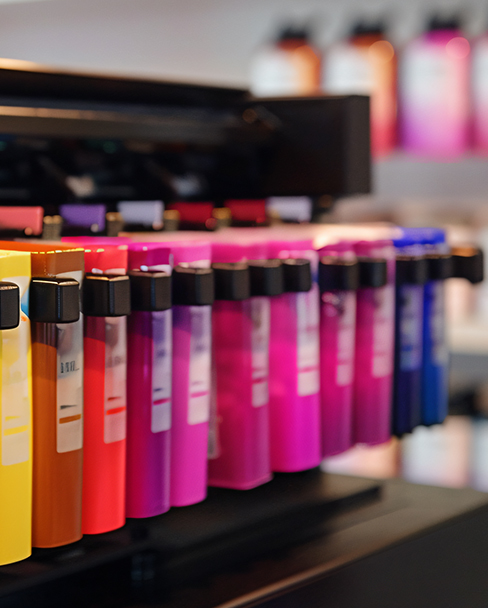
Bombas para impressoras CIJ: Bombas de diafragma vs. Bombas de engrenagem — Qual a diferença?
Em máquinas de codificação CIJ (Jato de Tinta Contínuo), as bombas de diafragma e as bombas de engrenagem são componentes essenciais para o fornecimento de tinta; no entanto, apresentam diferenças marcantes em termos de princípios de funcionamento, características de desempenho e cenários de aplicação. A seguir, uma comparação que destaca as principais distinções entre as duas:
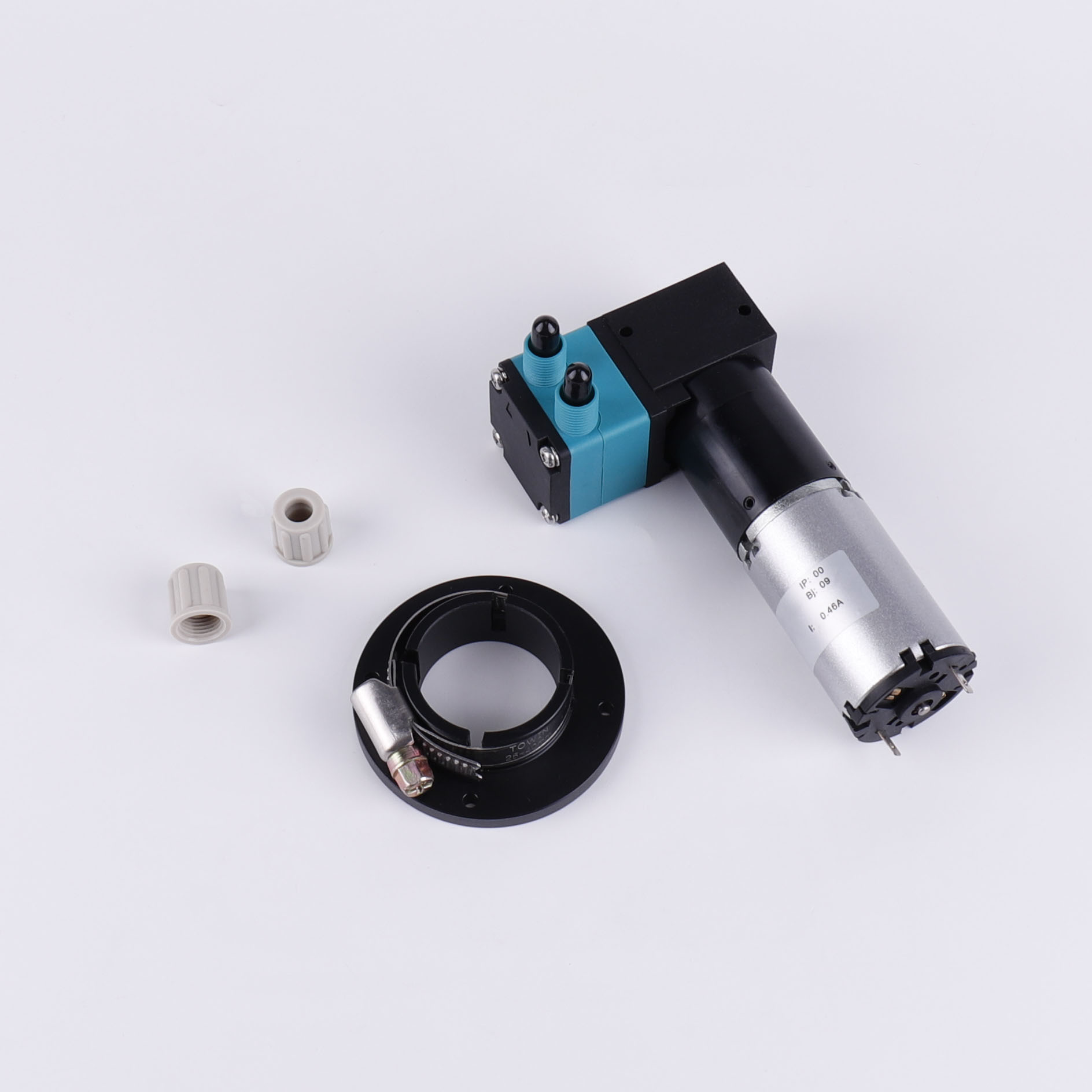
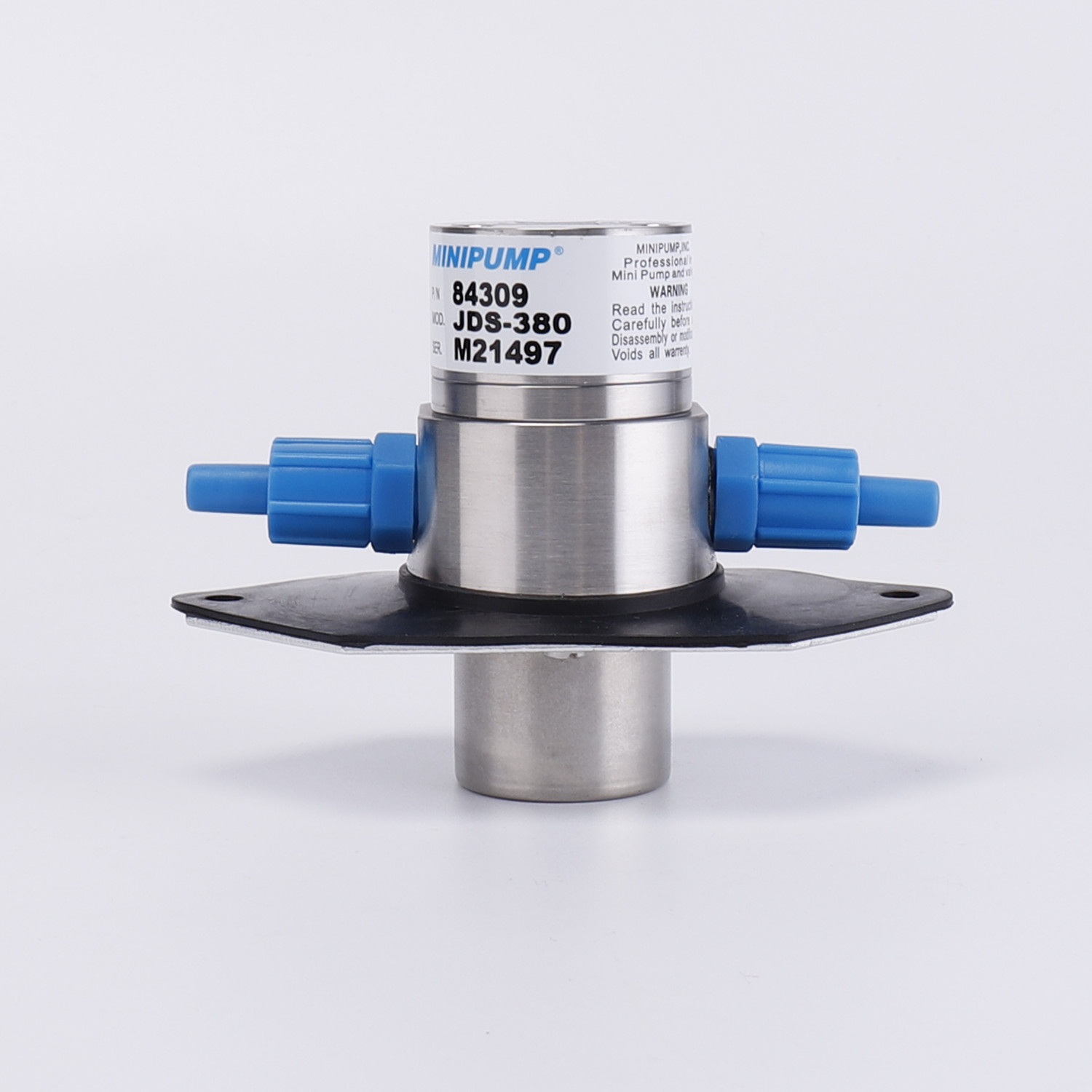
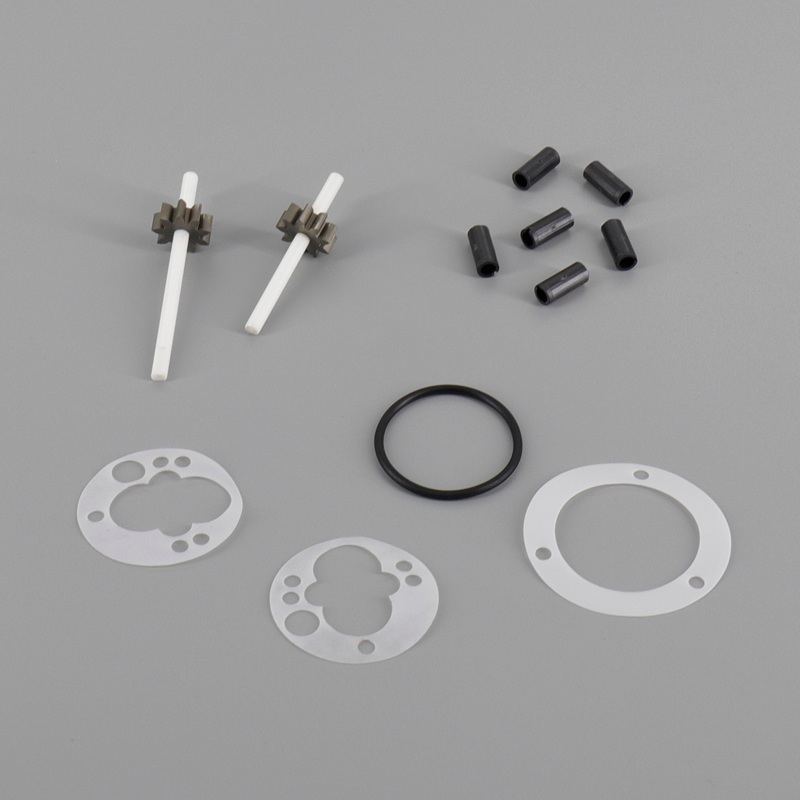
| Tipo de bomba | Princípio de funcionamento |
| Bomba de diafragma | Ao alterar o volume da câmara da bomba cij através do movimento alternativo de um diafragma elástico — facilitando a entrada e saída de fluidos em conjunto com válvulas unidirecionais — este dispositivo funciona como uma bomba de deslocamento positivo, garantindo que o fluido permaneça completamente isolado dos componentes móveis durante o processo de transferência. |
| Bomba de engrenagem | O fluido é transportado graças às mudanças de volume nas cavidades dos dentes formadas durante a rotação de duas engrenagens que se encaixam mutuamente; o fluido flui através dos espaços entre as engrenagens e os componentes móveis entram em contato direto com o meio. |
1.tinta para impressora jato de tinta cij Compatibilidade
Bombas de diafragma: Os únicos componentes em contato com a tinta são o diafragma e a sede da válvula. Estes podem ser fabricados com materiais resistentes à corrosão (como o Teflon), tornando as bombas compatíveis com praticamente todos os tipos de tintas de codificação — incluindo as à base de água, à base de solvente e as curáveis por UV — e particularmente adequadas para tintas especiais altamente corrosivas.
Bombas de engrenagem: As engrenagens e o corpo da bomba estão em contato direto com a tinta, resultando em baixa tolerância a tintas altamente corrosivas. O uso prolongado geralmente leva ao desgaste das engrenagens e ao aumento das folgas internas; consequentemente, essas bombas são mais adequadas para tintas convencionais com propriedades químicas mais brandas.
2. Estabilidade do fornecimento de tinta
Bombas de diafragma: Caracterizadas por pulsação mínima na pressão de saída e flutuações de fluxo tipicamente abaixo de 5%, essas bombas garantem pressão de tinta estável, resultando em consistência superior nos caracteres impressos. Alguns modelos de ponta contam com regulação de pressão integrada, tornando-os ideais para aplicações de impressão de alta precisão.
Bombas de engrenagem: A pressão de saída apresenta pulsações periódicas, com flutuações que normalmente variam de 10% a 15%. Essa pulsação torna-se mais pronunciada ao manusear tintas de alta viscosidade, o que exige a instalação de um estabilizador de pressão externo para garantir uma qualidade de impressão consistente.
3. Vida útil e manutenção
Bombas de diafragma: As únicas peças sujeitas a desgaste são o diafragma e as válvulas de retenção. Em condições normais de operação, a vida útil pode chegar a 8.000 a 12.000 horas. A manutenção normalmente envolve apenas a substituição do conjunto do diafragma, sem a necessidade de desmontar todo o corpo da bomba, resultando em custos de manutenção mais baixos.
Bombas de engrenagem: Após uso prolongado, as superfícies de contato das engrenagens ficam sujeitas a desgaste, o que leva a vazamentos internos e redução da vazão. A vida útil média é de aproximadamente 5.000 a 8.000 horas. Uma vez desgastadas, todo o conjunto de engrenagens ou a unidade completa da bomba deve ser substituído, resultando em custos de manutenção mais elevados.
4. Autoescorvamento e faixa de viscosidade
Bombas de diafragma: Possuem forte capacidade de autoescorvamento, permitindo "partidas a seco" (partida sem pré-enchimento). Elas acomodam uma ampla faixa de viscosidade (1 a 1.000 cP) e são adequadas para aplicações que envolvem ciclos frequentes de partida e parada ou variações significativas na viscosidade da tinta.
Bombas de engrenagem: A partida a seco apresenta risco de travamento das engrenagens; portanto, a bomba deve ser escorvada (preenchida com fluido) antes da partida. A faixa de viscosidade compatível é relativamente estreita (1 a 500 cP), e a operação com tintas de alta viscosidade leva a níveis de ruído significativamente maiores e desgaste acelerado.
| Tipos de cenários aplicáveis | Priorize a seleção da bomba. | Explicação dos motivos |
|---|---|---|
| Codificação e marcação para as indústrias alimentícia e farmacêutica | Bomba de diafragma | Sem risco de vazamento de tinta; atende aos requisitos de higiene e é compatível com uma variedade de tintas de qualidade alimentar. |
| Cenários de produção contínua de alta frequência/24 horas | Bomba de engrenagem | Possui uma estrutura simples e alta confiabilidade em operação contínua, tornando-o adequado para linhas de produção em larga escala sob condições operacionais estáveis. |
| Diversos casos de uso para troca de tinta | Bomba de diafragma | Possui alta resistência à corrosão e é compatível com vários tipos de tinta — incluindo tintas à base de solvente e UV — tornando a limpeza mais prática na troca entre elas. |
| Requisitos de codificação de caracteres de alta resolução/microcaracteres | Bomba de diafragma | A pressão estável do suprimento de tinta garante a ejeção precisa de minúsculas gotas de tinta, resultando em uma nitidez de impressão superior. |
| Cenários de uso de baixa frequência/operação intermitente | Bomba de diafragma | Suporta inicialização a seco; não é necessário pré-carregar tinta antes de cada inicialização — basta ligá-la e ela estará pronta para uso imediato. |
| Codificação padrão de data/número de lote, orçamento limitado | Bomba de engrenagem | Apresenta baixos custos iniciais de aquisição e uma estrutura consolidada, atendendo aos requisitos padrão de impressão. |

Deixe um recado
Escaneie para o WeChat :

Escaneie para o WhatsApp :

 English
 Pусский
 Español
 Português
 العربية
 فارسی
فارسی




 IPv6 REDE SUPORTADA